

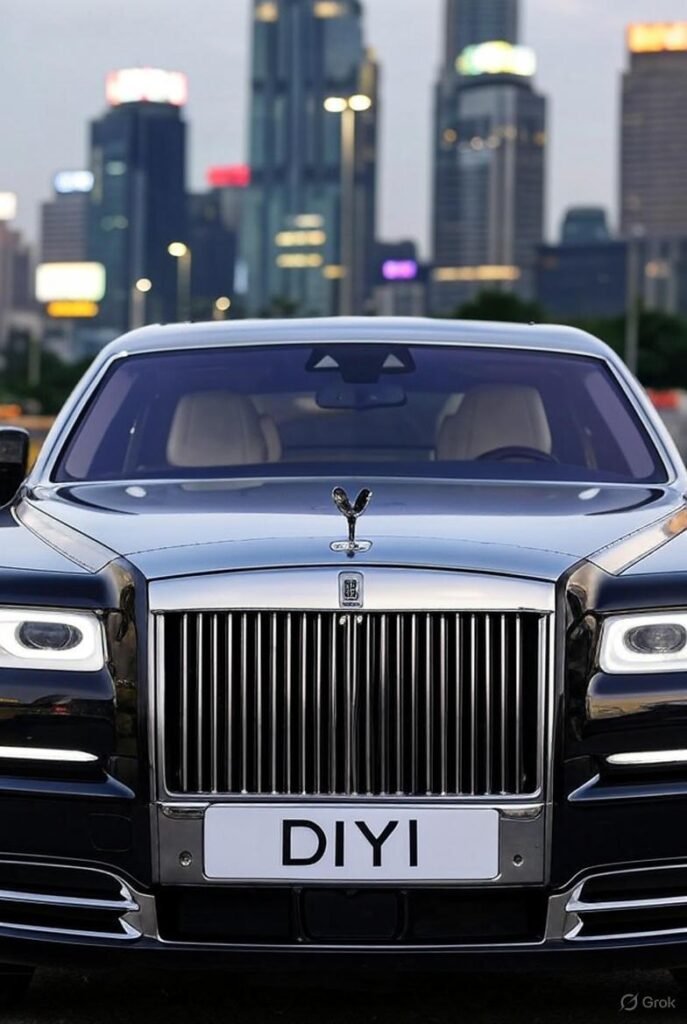
What is an amazing .com domain name worth? By HK Lawyer AJ Halkes Barrister-at-Law https://hklawyer-ajhalkes.com/wp-content/uploads/2026/03/Diyi-Number-plate-in-Hong-Kong.mp4 What is an amazing .com domain name worth? The good news is that, perhaps, if...Read More
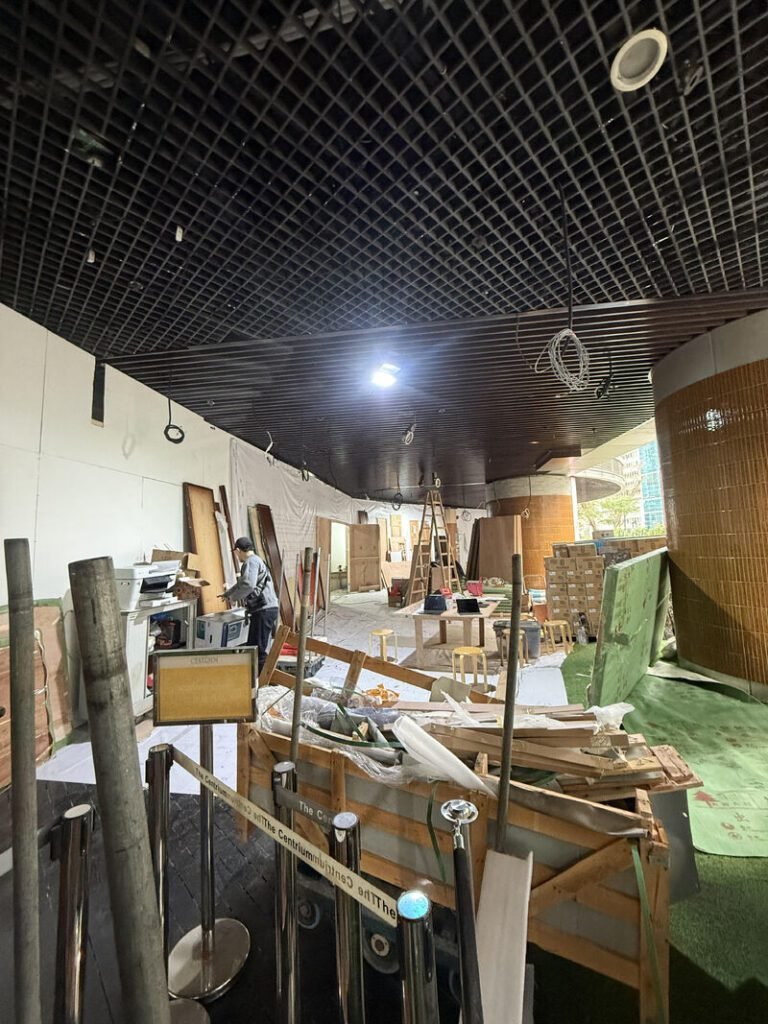
Construction is under way at Dragon-i that was part of our lives for years! By HK Lawyer AJ Halkes Barrister-at-Law Construction is underway at Dragon-i that was part of our...Read More

The government has imposed standards on protective netting around occupied residential properties By HK Lawyer AJ Halkes Barrister-at-Law The government has imposed standards on protective netting around occupied residential properties,...Read More
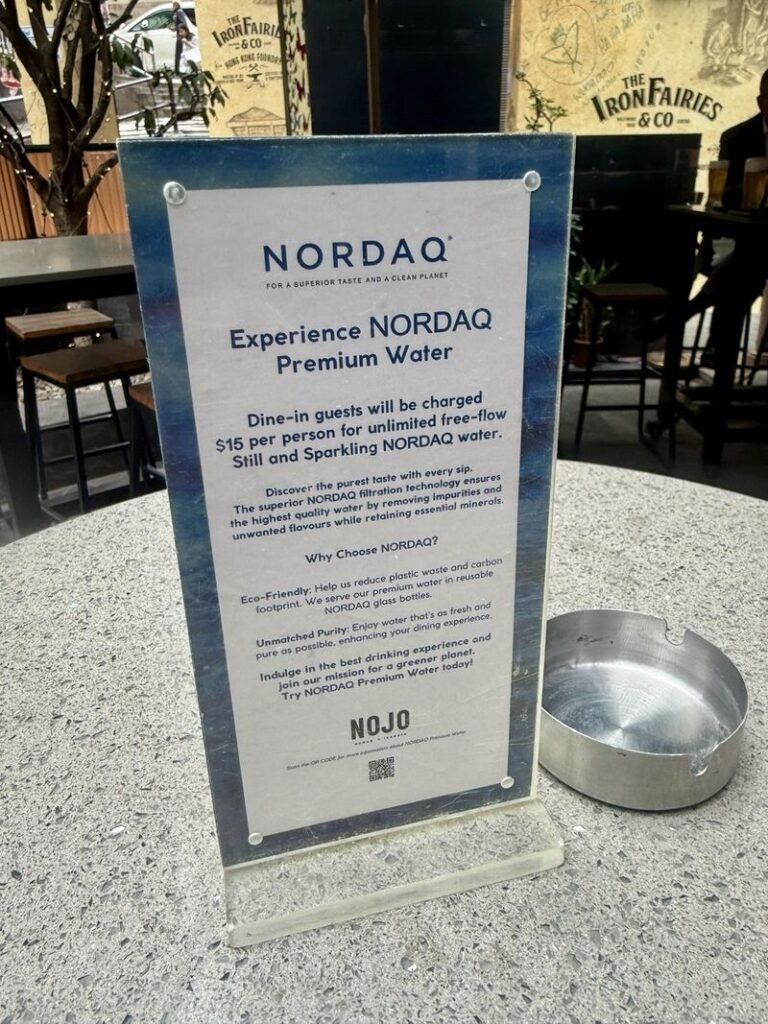
When water is basically free and all F&B outlets have a filtration system – why charge? By HK Lawyer AJ Halkes Barrister-at-Law When water is basically free, and all F&B...Read More
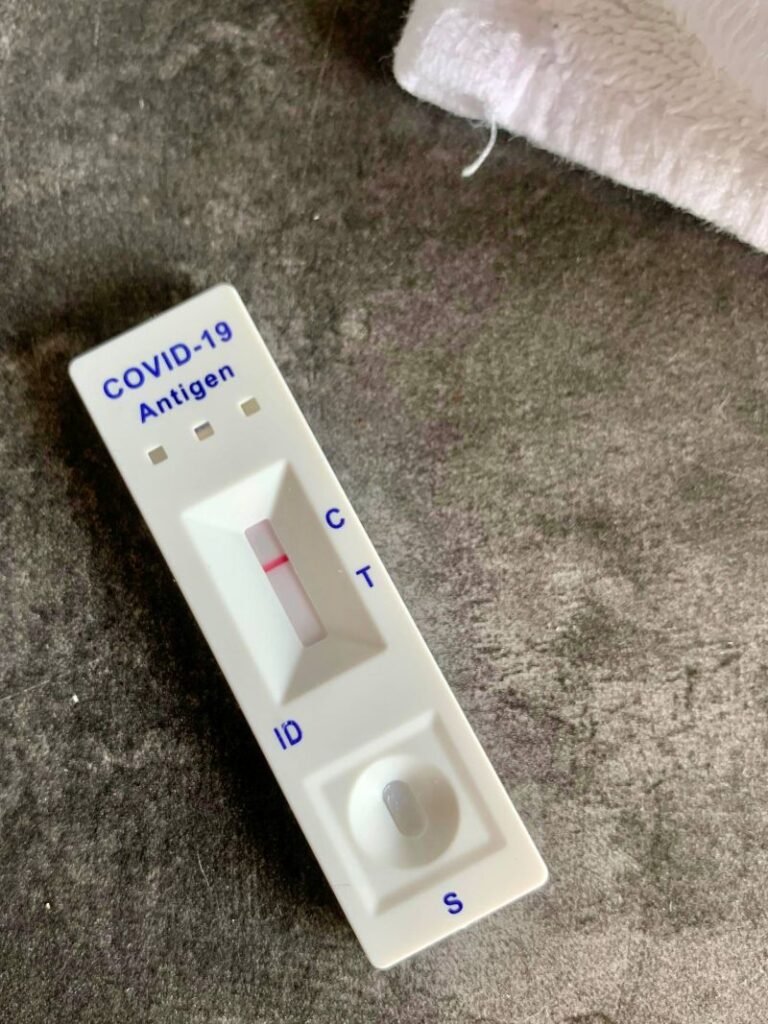
Suffering long term COVID effects is very real for some businesses By HK Lawyer AJ Halkes Barrister-at-Law Suffering long-term COVID effects is very real for some businesses. Even though the...Read More
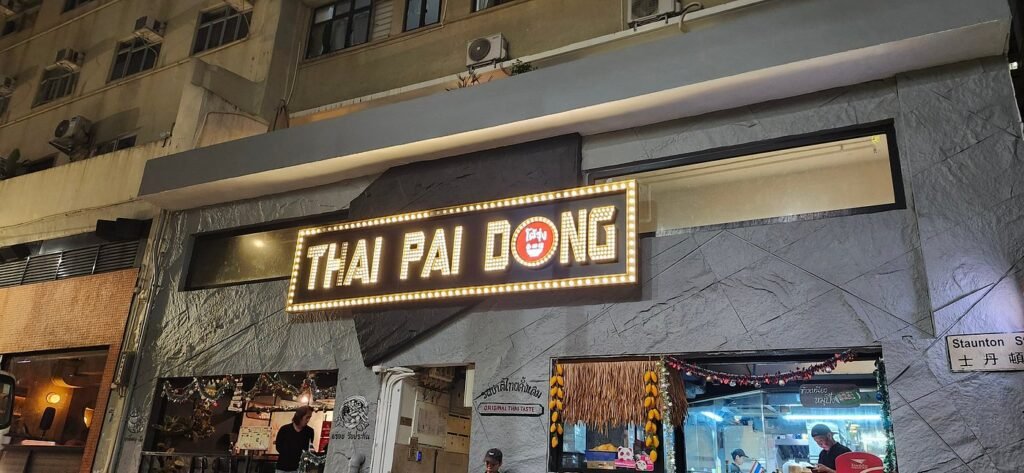
Hire the right influencers, create the right buzz, now you can sell almost anything! By HK Lawyer AJ Halkes Barrister-at-Law I wrote about this place opening on a site that,...Read More
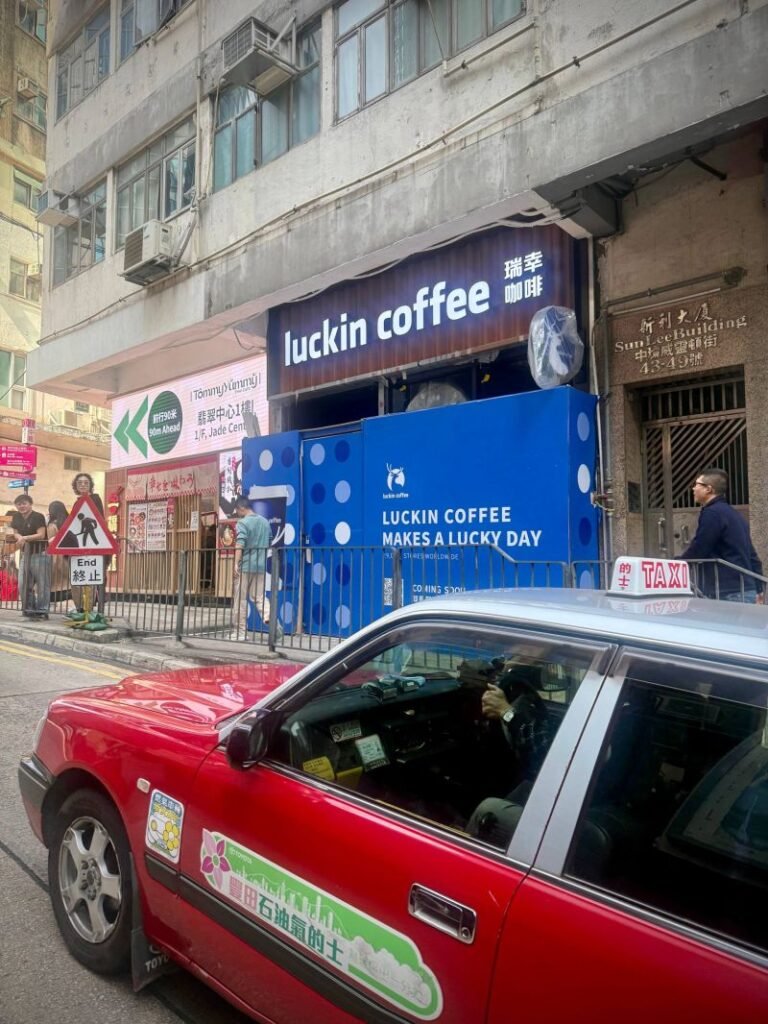
So Hong Kong is lucky, here comes Luckin Coffee By HK Lawyer AJ Halkes Barrister-at-Law So Hong Kong is lucky, here comes Luckin Coffee. Will they be all over the...Read More

Not near the mid-levels HK escalator, you’ll struggle running a business in HK (SoHo) By HK Lawyer AJ Halkes Barrister-at-Law If you’re not near the mid-levels Hong Kong escalator, you’ll...Read More

Adrian Halkes appointed to the eBRAM Panel of Mediators! By HK Lawyer AJ Halkes Barrister-at-Law Happy to share my appointment to the eBRAM Panel of Mediators, using its innovative, tech-driven...Read More
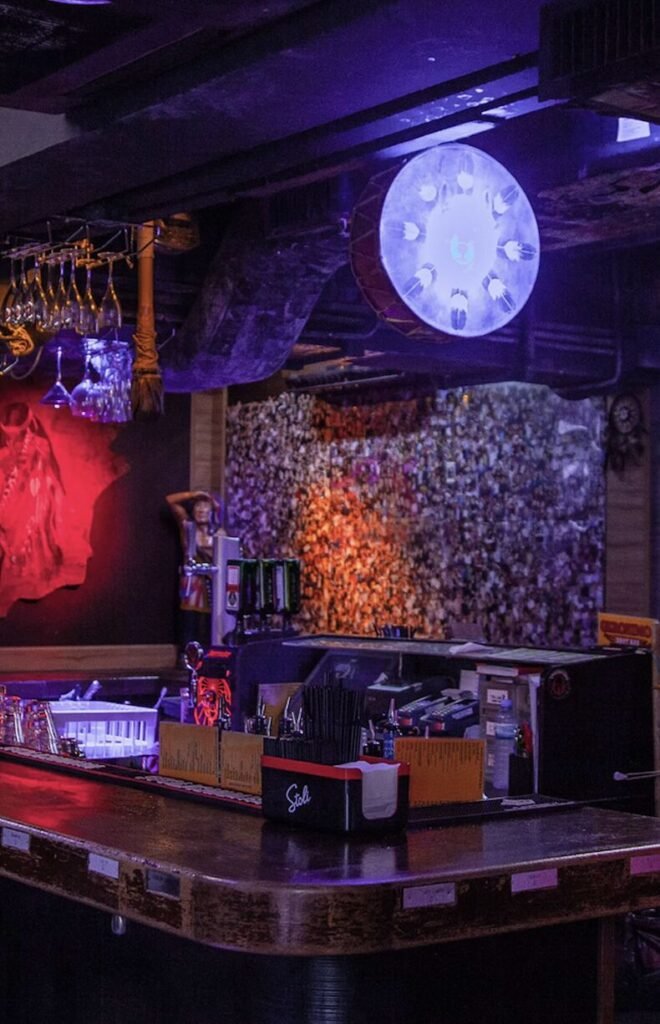
Geronimo in Lan Kwai Fong is closing By HK Lawyer AJ Halkes Barrister-at-Law Geronimo in Lan Kwai Fong is closing; a 13-year ago leap of faith and courage, when my...Read More
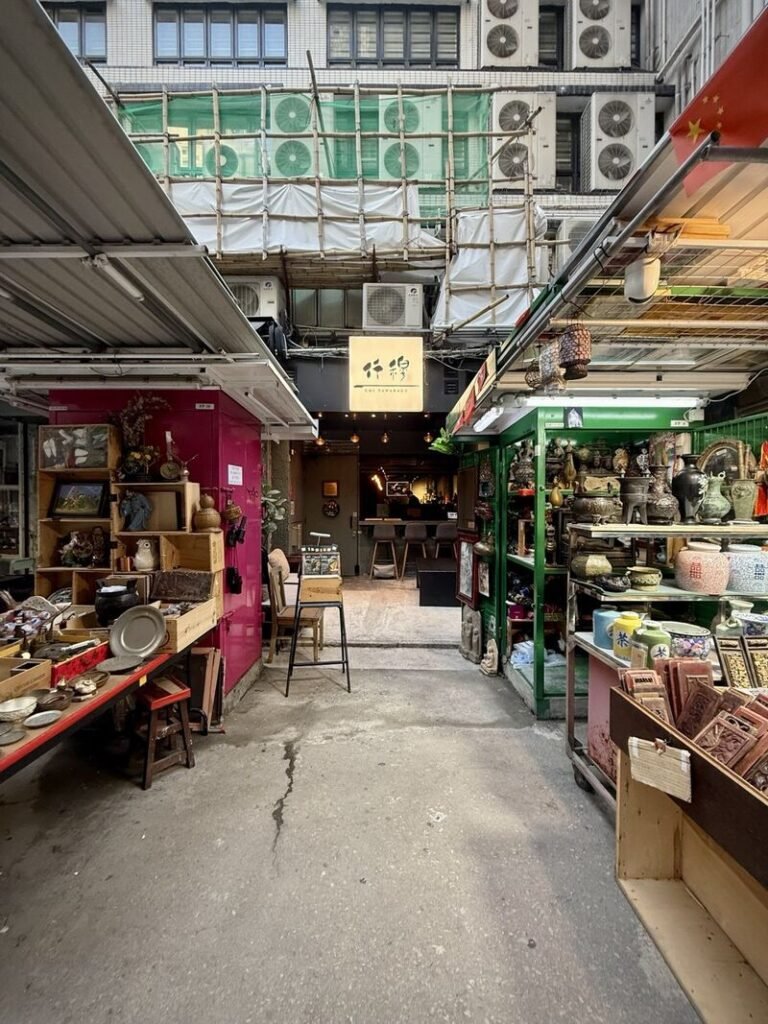
Hong Kong has many quirky food and coffee spots for tourists and locals By HK Lawyer AJ Halkes Barrister-at-Law Hong Kong has many quirky spots for tourists and locals. Upper...Read More
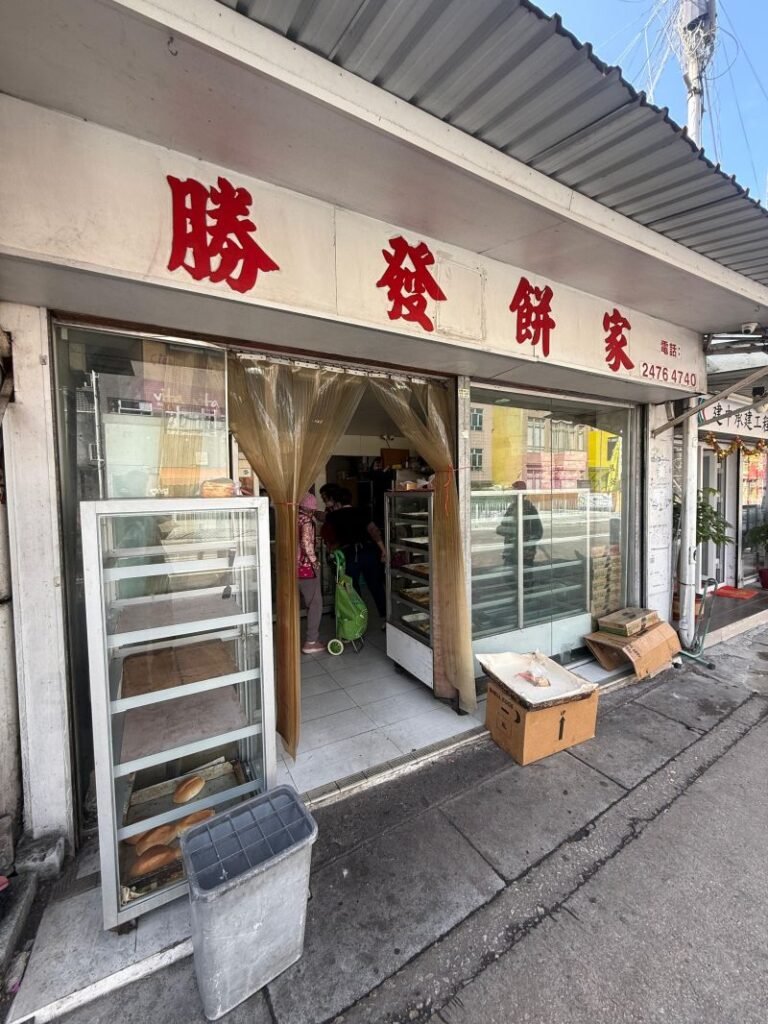
Early bird gets the bun at the Sing Fat bakery in Kam Tin By HK Lawyer AJ Halkes Barrister-at-Law EARLY BIRD GETS THE BUN at the Sing Fat Bakery in...Read More
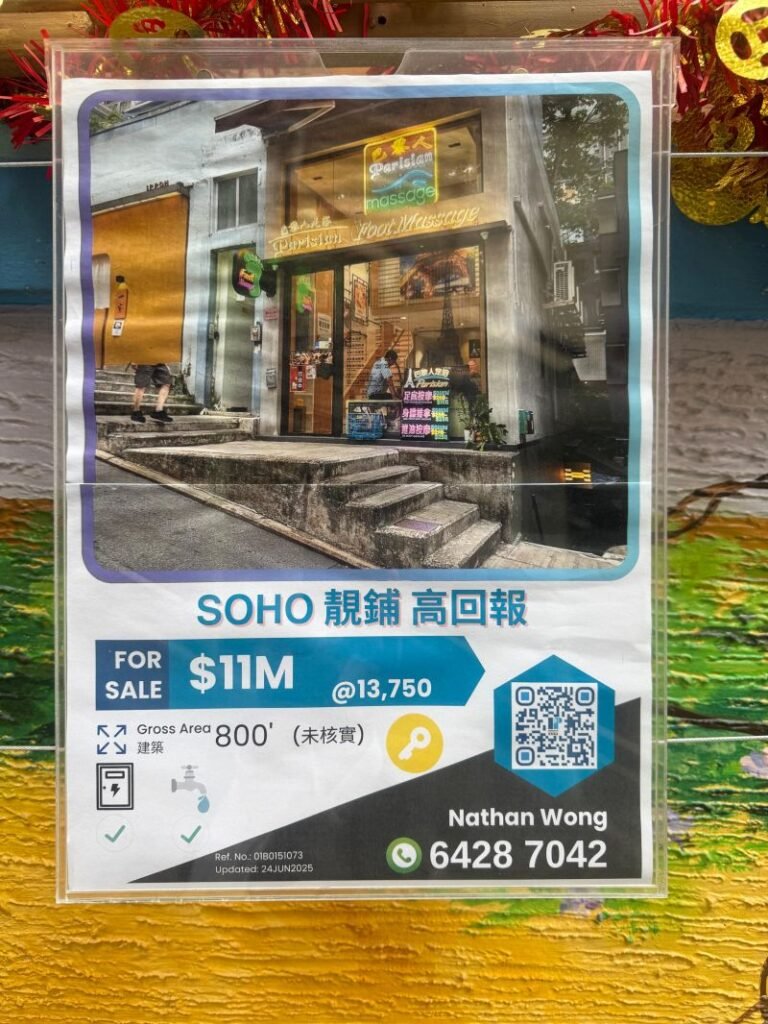
Is now the best time in decades for Hong Kong F&B operators to buy their own premises? By HK Lawyer AJ Halkes Barrister-at-Law Is now the best time in decades...Read More

Bad reviews do not mean bad business By HK Lawyer AJ Halkes Barrister-at-Law Bad reviews do not mean bad business. Don’t let perfect be the enemy of good food and...Read More
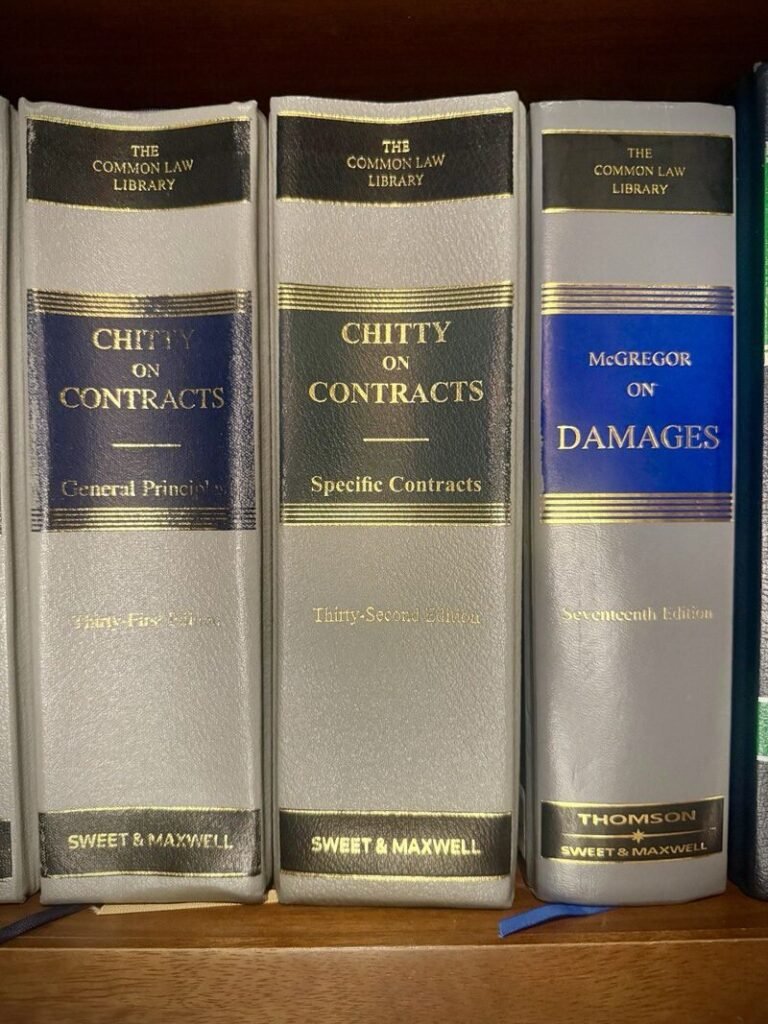
AI already is “way better” than junior human lawyers in many areas By HK Lawyer AJ Halkes Barrister-at-Law This is the harsh truth: “You have law firms that are currently...Read More
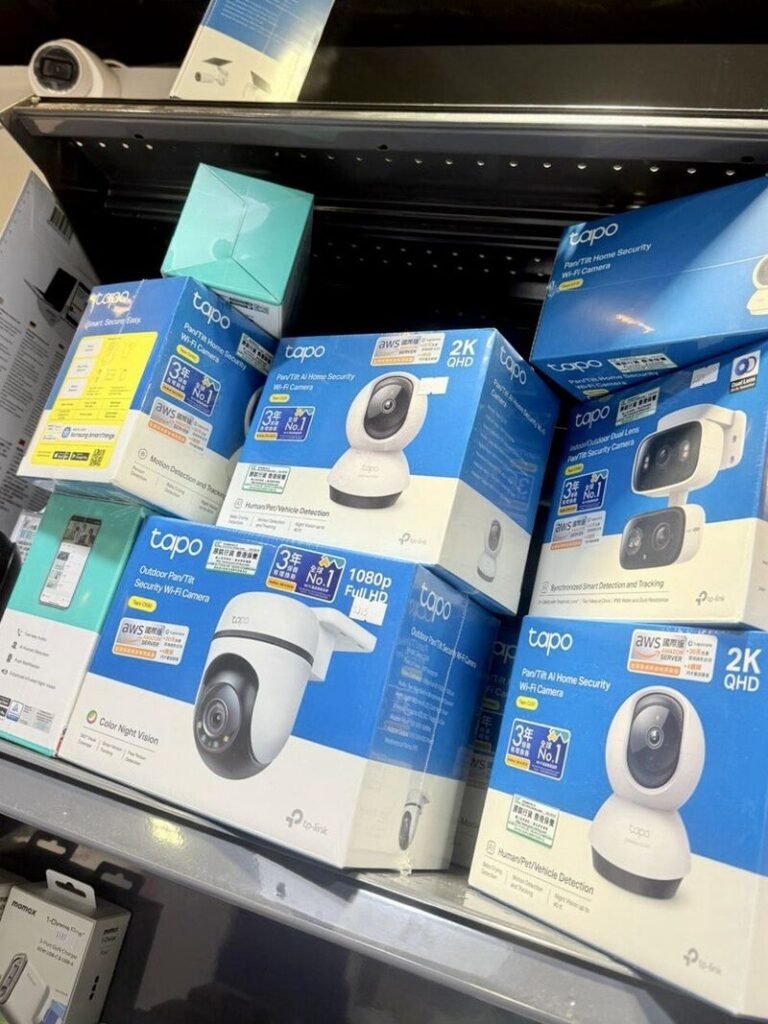
Privacy matters a lot if you run bars, restaurants, fitness venues, shops and clubs. By HK Lawyer AJ Halkes Barrister-at-Law Privacy matters a lot if you run bars, restaurants, fitness...Read More